
Paediatric Dentistry

Paediatric Dentistry
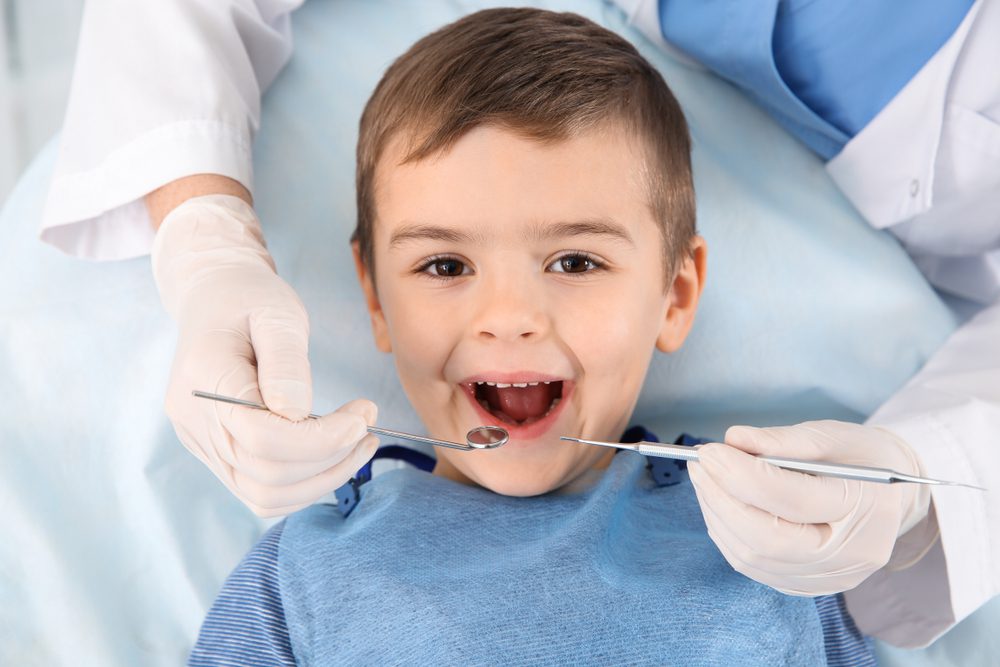
Parents should look after their children's teeth in the early years, using toothpaste and toothbrushes suitable for their age. Floss and interdental brushes are helpful aids for better results.
If children want to take part in caring for their own teeth, we encourage them while teaching them at the same time. If they don't let us, we find ways to make it fun by playing with them.
For example, we give them our toothbrush to brush our teeth, and we take theirs to brush their teeth, and we gradually move forward from there.
A child's fear of the dentist may be due to previous traumatic experiences, to the topic of a dental visit being handled incorrectly by those around the child, or to other reasons.
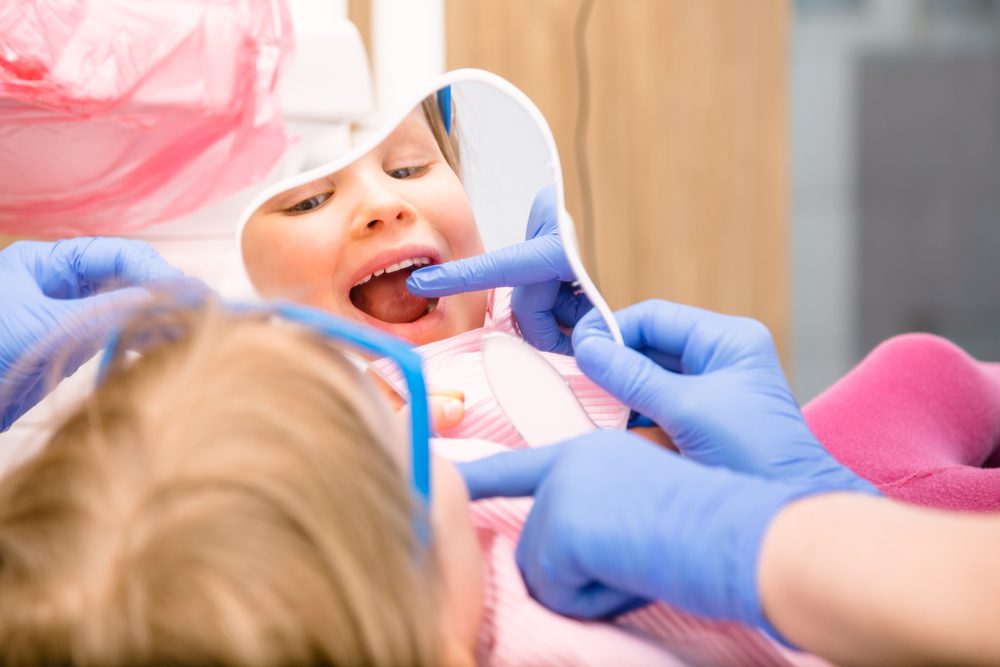
A child's trust in the dentist is earned more easily and effectively when whatever is said to the child (promises or agreements) is actually kept. Once the child feels safe and familiar, they become more receptive even to difficult treatments.
What mainly worries a child is the pain they might feel, as well as fears caused by the sound and the use of instruments in the mouth, due to a feeling of insecurity. It helps to use short stories to present, in a pleasant way and with nice pictures, everything we sense is worrying the child.
Insecurity also develops in children who have difficulty breathing through the nose and are forced to breathe through the mouth. We constantly remind the child and help them breathe through the nose.
Every child perceives and reacts in their own way, which is why each one needs their own individual approach. A skilled dentist can more easily manage such patients, successfully guiding them through the completion of the dental procedure.

When a child is treated early, they usually only need preventive procedures, which are pleasant experiences. These include preventive fillings (sealants), cleaning and fluoride treatment. With regular visits, proper guidance from the dentist, and cooperation with the parents and the child, a great deal can be prevented.

Other procedures a child may need include fillings in both baby and permanent teeth, root canal treatments of baby or permanent teeth, and extractions of baby teeth. Extractions of permanent teeth are rarely needed in a child, mainly due to decay. However, permanent teeth are extracted for orthodontic reasons, in the case of supernumerary teeth, due to extensive fractures, or, more rarely, for other reasons.
Children often suffer dental injuries, either from accidents while playing or due to other accidents. All cases are treated according to the severity of each situation. (See the story "Valanto and Her Dream".)