
GENERAL DENTISTRY

Bruxism (Teeth Grinding)
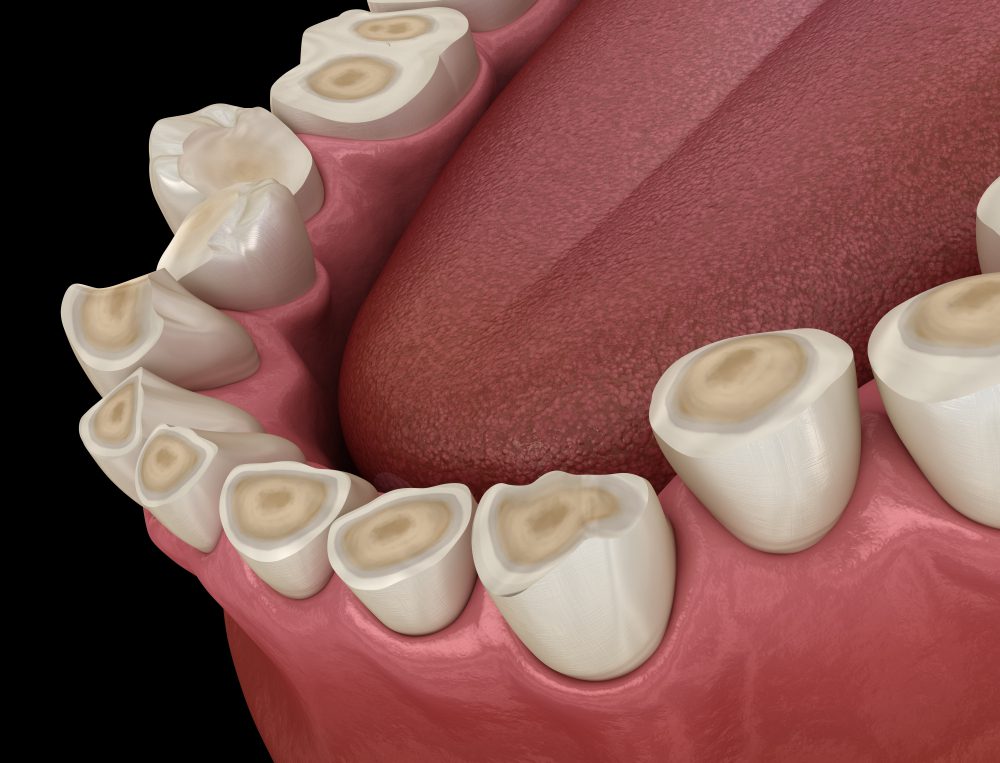
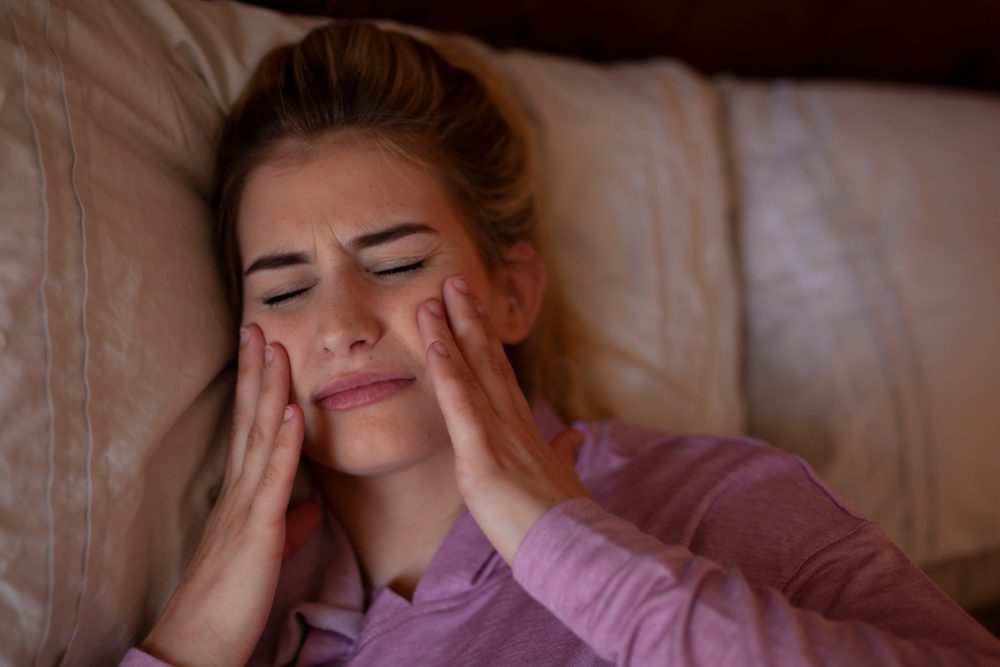
Problems also occur in the temporomandibular joint: pain, sounds, difficulty opening the mouth, or restricted movement. If left untreated, this can lead to damage to the disc or even the bones of the temporomandibular joint. The forces exerted during bruxism can be up to ten times greater than the forces exerted during chewing.
When tooth wear occurs at a fast rate and the pulp does not have time to defensively deposit secondary dentin, intense pulp sensitivity occurs.
There are also effects on the periodontium. Injury to the periodontal membrane may occur, along with increased mobility of the affected teeth.
CAUSES OF BRUXISM

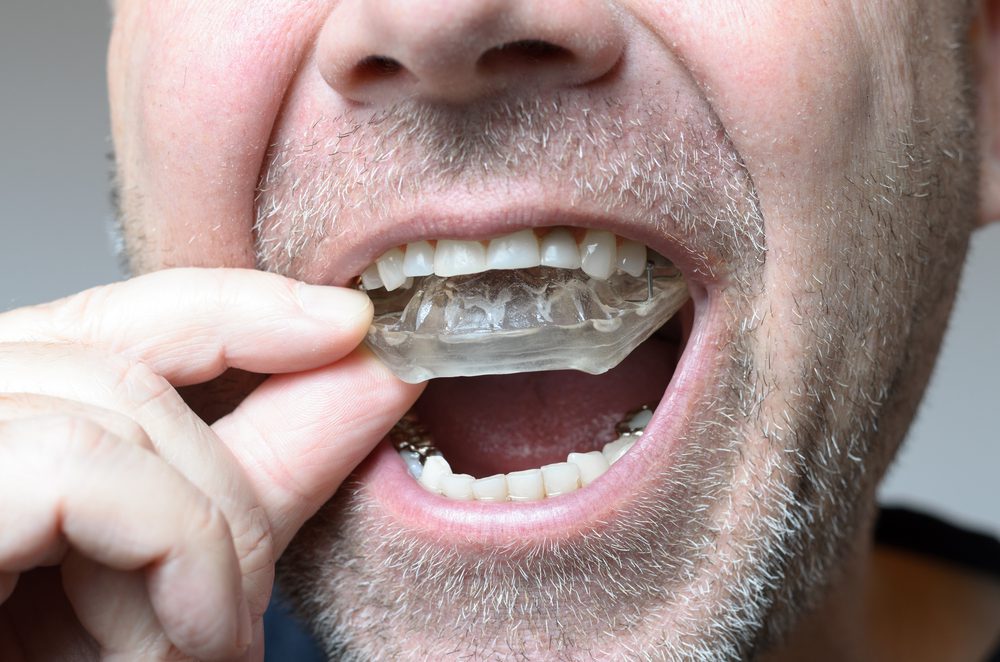
BRUXISM IS TREATED
mainly with the use of full-coverage occlusal splints. This allows balanced forces to be exerted on the stomatognathic system, avoiding injury to the muscles, teeth, bones, periodontium or temporomandibular joint. The splint only works when the patient wears it. It should be checked at regular intervals of around six months to confirm it is functioning well. In cases of intense, troublesome interferences on the non-working side, selective grinding helps. Relaxation exercises are also beneficial, especially for patients who clench their teeth during the day.
In general, the treatment of bruxism (splints, exercises, psychological support) is symptomatic. We do not treat the cause, but the symptoms.
In the literature, as well as in practice, other treatment approaches can also be found, either on their own or in combination with the splint.
Bruxism is observed not only in adults but also in children. However, the use of a splint is not recommended except in particularly extreme cases.