
IMPLANTOLOGY

Dental Implants
What Are Dental Implants
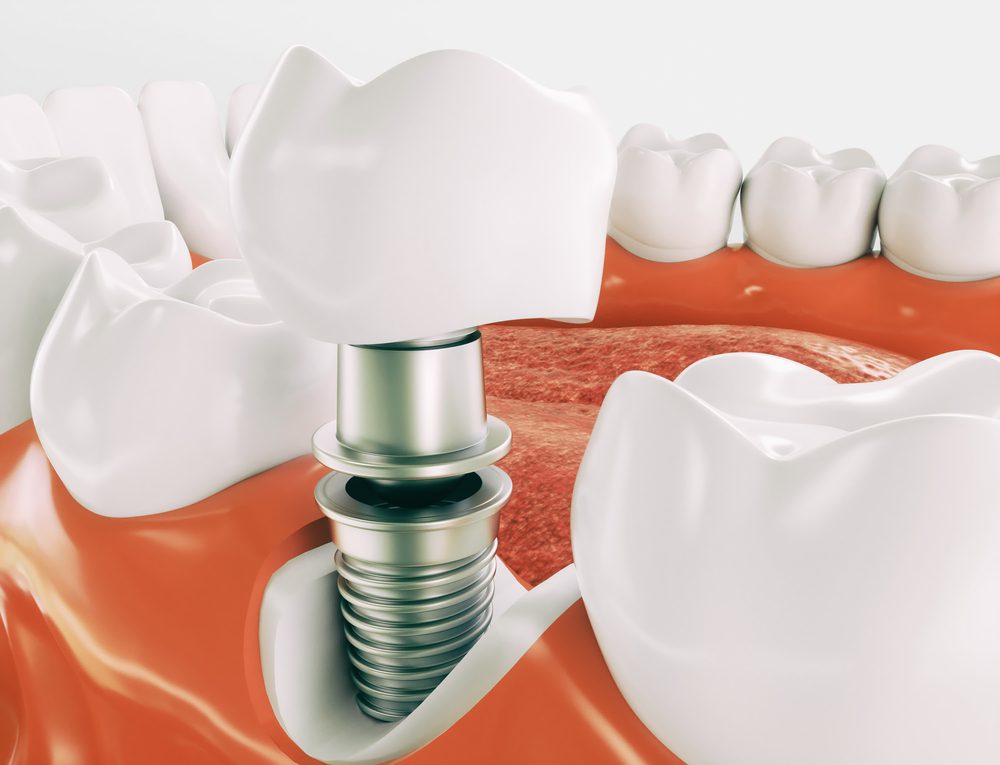
These are artificial cylindrical structures with a thread, usually conical or cylindrical in shape,
made of titanium. They are surgically placed in the bone, at the site of missing teeth. Once the implants have fully integrated into the jawbone (osseointegration), individualised abutments can be placed on them, thus forming the base for the
prosthetic restoration of either single teeth, extensive fixed prosthetic work, or removable dentures, partial or complete.
Many dentists and patients prefer dental implants because they offer
function similar to natural teeth and help prevent atrophy of the jawbone.
Also, in the event of tooth loss, there is no need to grind down the adjacent teeth on which a fixed prosthetic bridge would be built, since the dental implant itself will be used as the support.
Implant Success and Post-Operative Care
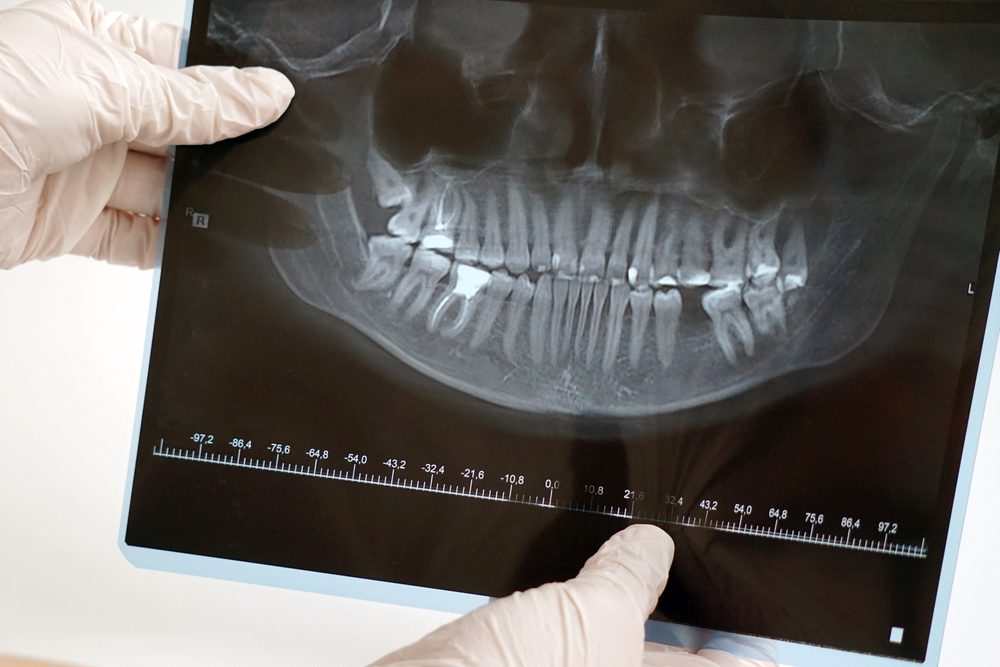
According to data from the American Academy of Implant Dentistry (AAID), the success rate of implants, when placed by properly trained and qualified personnel, reaches 98% in the first five years, while over a fifteen-year period the rate ranges between 82-95%. These high success rates depend directly on the detailed planning of the surgical procedure and the prosthetic restoration, as well as on the patient's contribution to their oral hygiene.
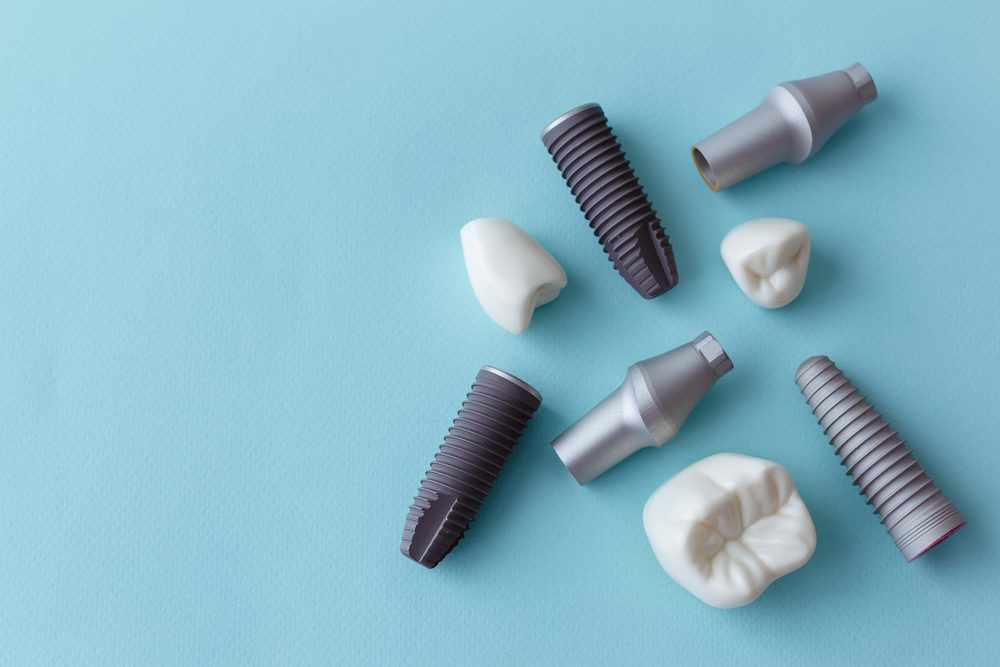
The choice of implants we use also plays a very important role. Not all companies have the same long-term track record, nor the same experience in both research and manufacturing.
Maintaining proper and systematic hygiene after implant placement and final restoration is extremely important for the long-term durability of the implant. The patient must carefully attend to daily plaque removal, which can be achieved through correct tooth brushing and the use of various other aids, such as interdental brushes and a pressurised water flosser (e.g. waterpik). It is also essential to visit the treating dentist at least twice a year for check-ups (clinical and radiographic) as well as professional dental cleaning. It is important for patients to understand that although implants cannot develop cavities like natural teeth, they can be affected by diseases similar to gingivitis and periodontitis (peri-implantitis), which shortens their lifespan. Inconsistent or undisciplined adherence to these instructions can contribute to problems that, in the long term, can even lead to the loss of the implants.

Unfortunately, not all dental patients are suitable candidates for dental implants, due to various underlying conditions, such as patients undergoing chemotherapy or radiation therapy to the head area, patients with myeloma or uncontrolled diabetes, as well as patients with serious psychiatric conditions.
Patients who have been taking bisphosphonate medications for osteoporosis for several years must stop them 3 months before the procedure, always in consultation with their treating physician. However, osteoporosis alone is not always a contraindication.
Smoking is also not a contraindication, but it is a significant aggravating factor. As with other surgical procedures in the mouth, smoking can delay wound healing and increase failure rates by up to 14 times, while quitting smoking even 1 week before placement and for 3 months afterwards has very positive results. Clenching or grinding of the teeth (bruxism) requires the use of a protective night guard in order to protect the implants as well as porcelain prosthetic work.
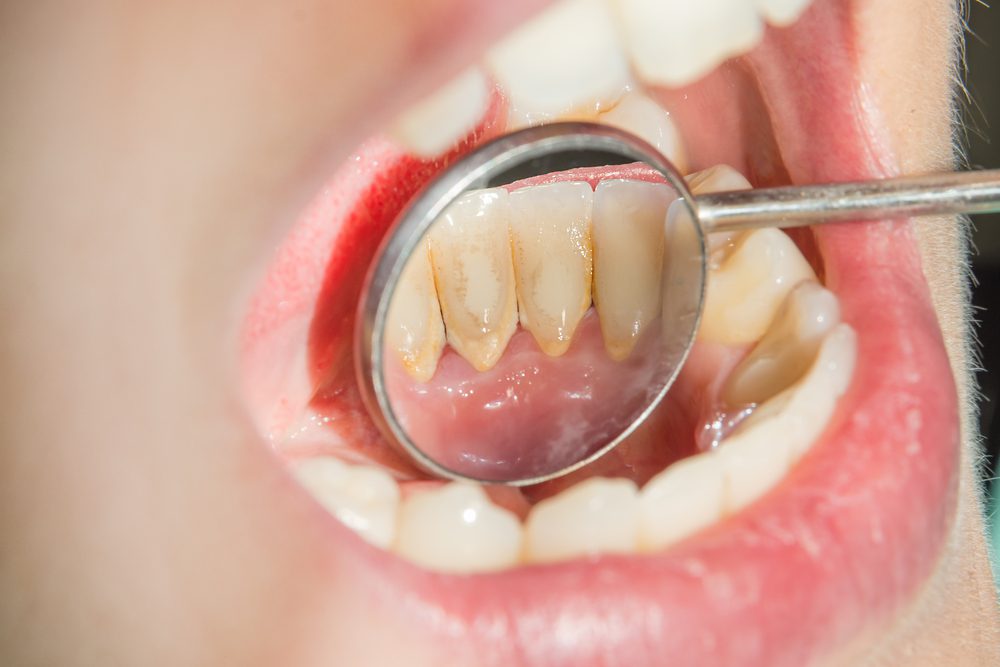
As mentioned above, proper oral hygiene plays a very decisive role in the healing of implants as well as their long-term preservation. Patients who do not comply with a proper oral hygiene routine are not considered suitable candidates for restoring their lost dentition with implants.